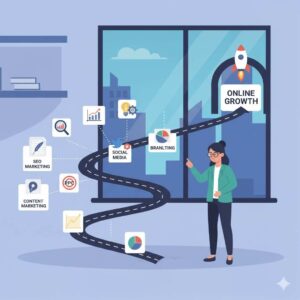
7 Essential Ways a Digital Marketing Strategist Can Elevate Your Brand Online
Looking for a top Digital Marketing Strategist? Grow your brand, increase leads, and boost ROI with expert online marketing strategies.
Digital Marketing Strategist: Role, Skills & Why Your Business Needs One

Introduction
In today’s competitive digital landscape, businesses can’t rely on traditional marketing alone. They need a digital marketing strategist—a professional who builds data-driven strategies to attract customers, boost online visibility, and maximize ROI. Whether you’re a startup or an established brand, having a strategist ensures your marketing campaigns are effective, measurable, and growth-oriented.
What is a Digital Marketing Strategist?
A digital marketing strategist is a marketing expert who plans, executes, and optimizes online campaigns across multiple platforms. Their role is not just about running ads but creating a roadmap that aligns business goals with the right digital channels.
They specialize in areas such as:
- Social Media Marketing
- SEO (Search Engine Optimization)
- Content Marketing
- Paid Advertising (PPC/Google Ads)
- Email & Automation Campaigns
- Analytics & Conversion Optimization
Key Responsibilities of a Digital Marketing Strategist
1. Market Research & Competitor Analysis
Before building campaigns, they research audience behavior, competitor strategies, and industry trends.
2. Creating a Marketing Roadmap
They set SMART goals (Specific, Measurable, Achievable, Relevant, Time-bound) to ensure campaigns deliver results.
3. Channel Selection & Budgeting
Every business has unique needs. A strategist chooses whether SEO, social media, PPC, or content marketing should be the primary growth driver.
4. Content Planning
They design content calendars, ensuring blogs, videos, and posts engage the right audience at the right time.
5. Campaign Optimization
Using tools like Google Analytics, HubSpot, and SEMrush, strategists track KPIs and optimize campaigns for better ROI.
Skills Every Digital Marketing Strategist Must Have
Analytical Skills
They must interpret data, identify gaps, and make informed decisions.
SEO & Content Expertise
A strategist ensures a brand ranks higher in SERPs and creates content that converts.
Paid Advertising Knowledge
Mastery of Google Ads, Meta Ads, and LinkedIn campaigns is essential.
Social Media Strategy
From Instagram reels to LinkedIn B2B ads, they know how to position a brand.
Communication & Leadership
They align marketing teams, designers, and content creators toward one vision.
Why Hire a Digital Marketing Strategist?

- Boost Online Visibility – Appear in front of your ideal customers.
- Save Time & Resources – Avoid trial-and-error campaigns.
- Maximize ROI – Strategists know where to invest for maximum returns.
- Stay Ahead of Trends – They adapt quickly to Google updates, AI tools, and social media shifts.
How a Digital Marketing Strategist Impacts Business Growth
- For startups: They create cost-effective campaigns with limited budgets.
- For small businesses: They increase local visibility with SEO and GMB optimization.
- For enterprises: They integrate multi-channel campaigns to boost global reach.
What Are the Top 7 Types of Digital Marketing Strategies?
Digital marketing is essential for modern businesses to grow online. A Digital Marketing Strategist helps brands implement strategies that drive traffic, generate leads, and increase revenue. Let’s explore the top 7 types of digital marketing strategies.
1. Search Engine Optimization (SEO)
SEO is the foundation of online visibility. By optimizing your website for search engines, businesses attract organic traffic. A Digital Marketing Strategist ensures your website ranks high with proper keyword research, on-page optimization, and backlink strategies.
2. Content Marketing
Content marketing focuses on creating valuable content to engage audiences. Blogs, videos, infographics, and eBooks are common forms. A Digital Marketing Strategist develops content that educates, informs, and converts visitors into customers.
3. Social Media Marketing
Social media marketing builds brand awareness and engagement on platforms like Facebook, Instagram, LinkedIn, and TikTok. An expert Digital Marketing Strategist crafts campaigns to increase followers, boost engagement, and drive traffic to your website.
4. Email Marketing
Email marketing remains one of the most effective ways to nurture leads. A Digital Marketing Strategist creates personalized email campaigns, automated workflows, and newsletters to maintain strong relationships and increase conversions.
5. Pay-Per-Click (PPC) Advertising
PPC advertising allows businesses to reach their audience instantly. Google Ads and social media ads drive immediate traffic. A Digital Marketing Strategist optimizes ad spend, targeting, and creatives to achieve high ROI.
6. Affiliate Marketing
Affiliate marketing expands your reach by partnering with affiliates who promote your products. A Digital Marketing Strategist identifies suitable affiliates and develops strategies to maximize revenue and brand awareness.
7. Influencer Marketing
Influencer marketing leverages influencers’ credibility to promote products or services. A Digital Marketing Strategist selects the right influencers whose audience aligns with your brand to boost visibility and trust.
What Does a Digital Strategist Make?
A Digital Marketing Strategist plays a critical role in guiding businesses through the complex world of online marketing. From designing campaigns to analyzing data, their work directly impacts brand visibility, lead generation, and revenue growth. But many people often ask: “What does a digital strategist make?” Let’s explore the roles, responsibilities, and earning potential of a digital strategist.
Understanding the Role of a Digital Strategist
A Digital Marketing Strategist is responsible for developing, executing, and optimizing comprehensive digital marketing plans. They analyze market trends, identify target audiences, and use data-driven insights to improve campaign performance. Key responsibilities include:
- SEO and Content Strategy: Creating strategies to increase organic traffic and improve search rankings.
- Social Media Management: Designing campaigns that engage audiences across platforms like Instagram, LinkedIn, Facebook, and TikTok.
- Paid Advertising: Managing PPC campaigns to maximize ROI.
- Email Marketing: Crafting automated and personalized campaigns to nurture leads.
- Analytics and Reporting: Tracking performance, KPIs, and making data-driven decisions to improve results.
Salary and Earning Potential
The earnings of a Digital Marketing Strategist can vary widely depending on experience, industry, location, and company size. On average:
Factors Affecting a Digital Strategist’s Income
- Experience: More experienced strategists command higher salaries due to proven results.
- Industry: Tech, e-commerce, and SaaS companies often pay higher than traditional sectors.
- Location: Salaries differ based on country, city, and cost of living.
- Skill Set: Strategists skilled in SEO, PPC, social media, and analytics tend to earn more.
- Certifications: Certifications from platforms like Google, HubSpot, or Meta can increase earning potential.
Is Digital Marketing a Good Career?
In today’s technology-driven world, digital marketing has emerged as one of the most dynamic and rewarding career paths. But many people wonder: “Is digital marketing a good career?” The answer is a resounding yes, especially for those who enjoy creativity, strategy, and data-driven decision-making.
Why Digital Marketing Is a Promising Career
- High Demand Across Industries
Businesses of all sizes, from startups to multinational corporations, need digital marketing expertise to grow online. A Digital Marketing Strategist is crucial in helping brands develop and execute campaigns that drive traffic, generate leads, and increase revenue. - Diverse Career Opportunities
Digital marketing offers a variety of roles, including SEO specialists, content marketers, social media managers, email marketing experts, PPC managers, and analytics professionals. This diversity allows professionals to specialize in areas they are passionate about. - Competitive Salary and Growth Potential
The demand for skilled digital marketers has resulted in competitive salaries. Experienced professionals, especially a Digital Marketing Strategist, can command high salaries and enjoy career advancement opportunities, including leadership roles like Head of Digital Marketing or Chief Marketing Officer (CMO). - Flexibility and Remote Work Opportunities
Digital marketing is highly adaptable to remote work. Freelance opportunities are also abundant, allowing professionals to work with multiple clients and industries while maintaining flexibility. - Constant Learning and Innovation
The digital landscape is always evolving with new tools, platforms, and trends. This makes the career exciting and allows a Digital Marketing Strategist to continuously upgrade skills and stay relevant in the industry.
Skills Needed for a Successful Digital Marketing Career
- SEO and content marketing knowledge
- Social media strategy and paid advertising expertise
- Data analytics and performance tracking
- Creativity and problem-solving skills
- Communication and project management
What Are the 4 Types of Digital Marketing?
Digital marketing is essential for businesses to grow online, attract leads, and increase revenue. A Digital Marketing Strategist plays a key role in planning and executing campaigns across various channels. Understanding the four main types of digital marketing can help businesses make informed decisions and achieve better results.
1. Search Engine Optimization (SEO)
SEO involves optimizing your website to rank higher on search engines like Google and Bing. The goal is to attract organic traffic from users actively searching for your products or services.
Key SEO Activities:
- Keyword research and analysis
- On-page optimization (content, meta tags, headings)
- Off-page SEO (backlinks, social signals)
- Technical SEO (site speed, mobile-friendliness, crawlability)
A skilled Digital Marketing Strategist ensures that SEO strategies increase website visibility and drive quality traffic.
2. Content Marketing
Content marketing focuses on creating valuable, relevant content to attract and engage your target audience. This can include blogs, videos, infographics, and eBooks.
Benefits of Content Marketing:
- Builds brand authority and trust
- Educates potential customers
- Supports SEO efforts
- Generates leads and conversions
A Digital Marketing Strategist crafts content strategies aligned with business goals and audience needs to maximize impact.
3. Social Media Marketing
Social media marketing uses platforms like Facebook, Instagram, LinkedIn, and TikTok to connect with audiences, promote products, and build brand awareness.
Key Social Media Tactics:
- Creating engaging posts and stories
- Paid social media campaigns
- Influencer collaborations
- Community engagement and analytics
An experienced Digital Marketing Strategist ensures social campaigns reach the right audience and drive engagement.
4. Paid Advertising (PPC)
Paid advertising, or Pay-Per-Click (PPC), involves running ads on platforms like Google Ads or social media, where you pay each time someone clicks your ad.
PPC Advantages:
- Instant traffic and visibility
- Highly targeted campaigns
- Measurable ROI
- Flexibility in budget and strategy
A Digital Marketing Strategist manages PPC campaigns to optimize ad spend, targeting, and performance for maximum ROI.
What Is the First Step in Digital Marketing?
Digital marketing is a multi-faceted approach to promoting products and services online, but every successful campaign starts with a strong foundation. So, what is the first step in digital marketing? The answer lies in strategic planning and understanding your audience.
Step 1: Understanding Your Target Audience
The first step in digital marketing is identifying and understanding your target audience. Without knowing who your audience is, their interests, behaviors, and online habits, any campaign will lack direction and may fail to generate results.
Key Actions in This Step:
- Conduct market research to understand customer demographics, preferences, and pain points.
- Create buyer personas to represent your ideal customers.
- Analyze competitors to identify gaps and opportunities.
- Determine which digital channels your audience uses most.
A Digital Marketing Strategist focuses on gathering and analyzing this data to ensure that all campaigns are relevant, targeted, and effective.
Step 2: Define Clear Goals
Once your audience is understood, the next move is to set SMART goals (Specific, Measurable, Achievable, Relevant, and Time-bound). Examples of digital marketing goals include:
- Increasing website traffic
- Generating qualified leads
- Boosting social media engagement
- Improving brand awareness
Clear goals provide direction for campaigns, helping a Digital Marketing Strategist design strategies that deliver measurable results.
Step 3: Develop a Strategy
With audience insights and goals in place, a comprehensive digital marketing strategy can be created. This strategy outlines:
- The channels to focus on (SEO, PPC, social media, content marketing, etc.)
- Types of campaigns to run
- Budget allocation and timeline
- Key performance indicators (KPIs) to measure success
A professional Digital Marketing Strategist ensures this strategy is data-driven, optimized, and aligned with the overall business objectives.
Who Is the Father of Digital Marketing?
Digital marketing has revolutionized the way businesses reach customers online, but have you ever wondered who is considered the pioneer of this field? The title of Father of Digital Marketing is widely attributed to Philip Kotler, a renowned marketing expert, often called the “Father of Modern Marketing.”
Philip Kotler and His Contribution
Philip Kotler’s work laid the foundation for modern marketing principles that later evolved into digital marketing. While he did not directly create digital marketing, his strategies on customer-centric marketing, segmentation, targeting, and positioning are highly influential in the digital era. His ideas help Digital Marketing Strategists design campaigns that focus on understanding customer behavior, building brand loyalty, and creating measurable marketing strategies.
Why Philip Kotler Is Important for Digital Marketing
- Customer-Centric Approach: Digital marketing revolves around knowing your audience, a concept emphasized by Kotler decades ago.
- Marketing Mix (4Ps): Product, Price, Place, and Promotion are still used by digital marketers to design effective campaigns.
- Strategic Thinking: His work inspires Digital Marketing Strategists to develop data-driven and goal-oriented marketing strategies.
Digital Marketing Evolution
While Kotler’s principles laid the groundwork, the rise of the internet, social media, search engines, and mobile technology has transformed traditional marketing into digital marketing. Today, Digital Marketing Strategists apply Kotler’s timeless principles to create SEO campaigns, social media strategies, content marketing plans, email campaigns, and more.
How Do I Start in Digital Marketing?
Digital marketing is one of the fastest-growing and most dynamic career fields today. Whether you’re a beginner looking to switch careers or a business owner aiming to improve your online presence, knowing how to start in digital marketing is essential. A Digital Marketing Strategist can guide this journey, but understanding the fundamentals yourself is the first step.
1. Learn the Basics of Digital Marketing
Before diving in, familiarize yourself with the core areas of digital marketing:
- SEO (Search Engine Optimization): Learn how to optimize websites for search engines.
- Content Marketing: Understand creating blogs, videos, and social media content.
- Social Media Marketing: Learn strategies to engage audiences on platforms like Facebook, Instagram, and LinkedIn.
- Email Marketing: Understand how to nurture leads through newsletters and campaigns.
- PPC (Pay-Per-Click) Advertising: Learn paid campaigns on Google Ads or social media platforms.
Online courses, tutorials, and certifications from Google, HubSpot, and Meta are excellent starting points.
2. Set Clear Goals
Define why you want to enter digital marketing:
- Are you looking for a career as a Digital Marketing Strategist?
- Do you want to promote your own business?
- Are you planning to freelance or work in an agency?
Clear goals help you focus on the skills and strategies most relevant to your objective.
3. Gain Practical Experience
Theory is essential, but practice is key. Start with:
- Creating your own blog or website and applying SEO techniques.
- Managing social media accounts for a small business or nonprofit.
- Running small PPC campaigns with a limited budget.
Hands-on experience helps you understand real-world challenges and solutions, which a Digital Marketing Strategist constantly applies.
4. Learn Analytics and Tools
Digital marketing is data-driven. Familiarize yourself with tools such as:
- Google Analytics for tracking website performance
- SEMrush or Ahrefs for keyword research
- Hootsuite or Buffer for social media management
- Mailchimp for email campaigns
A professional Digital Marketing Strategist uses these tools to measure performance, optimize campaigns, and achieve better results.
5. Build a Portfolio
Document your projects and campaigns. A portfolio showcasing your SEO successes, social media growth, and content marketing achievements makes it easier to land jobs or clients.
6. Stay Updated
Digital marketing is constantly evolving. Follow blogs, podcasts, and industry leaders to stay updated on trends, algorithm changes, and new tools.
Which Type of Digital Marketing Is Best for Beginners?
Digital marketing offers a wide range of career paths and strategies, which can be overwhelming for beginners. If you are just starting out, it’s important to focus on areas that are easier to learn, have high demand, and allow you to see quick results. A Digital Marketing Strategist often recommends starting with foundational skills that build a strong base for advanced strategies later.
1. Search Engine Optimization (SEO)
SEO is one of the best entry points for beginners because it teaches you how websites work, how content drives traffic, and how search engines rank pages.
Why SEO Is Great for Beginners:
- Free resources and online tutorials are widely available.
- You can practice on your own blog or website.
- Learning SEO gives you insights into content marketing, analytics, and technical optimization.
A Digital Marketing Strategist often starts their career by mastering SEO before moving to other complex areas.
2. Social Media Marketing
Social media marketing is beginner-friendly because most people are already familiar with platforms like Facebook, Instagram, LinkedIn, and TikTok.
Benefits for Beginners:
- Easy to set up accounts and start campaigns.
- Immediate feedback on engagement and reach.
- Opportunity to develop creative and communication skills.
Learning social media marketing first allows beginners to build confidence while understanding audience behavior and engagement metrics.
3. Content Marketing
Content marketing involves creating blogs, videos, infographics, or social media posts that attract and engage your audience.
Why Content Marketing Works for Beginners:
- Requires minimal technical knowledge.
- Helps understand audience interests and online behavior.
- Builds skills in writing, storytelling, and design, which are transferable to other areas of digital marketing.
A Digital Marketing Strategist often combines content marketing with SEO and social media for maximum impact.
4. Email Marketing (Optional for Beginners)
Email marketing is relatively simple to learn and can yield measurable results. Beginners can start with tools like Mailchimp to send newsletters and track open rates.
Benefits:
- Easy to measure and optimize campaigns.
- Helps develop a customer-focused mindset.
- Complements other digital marketing strategies.
Is Digital Marketing Hard to Learn?
Digital marketing is often seen as complex because it involves multiple channels, tools, and strategies. But the good news is that it’s not hard to learn if approached systematically. With the right guidance, resources, and hands-on practice, anyone can build the skills to succeed. A Digital Marketing Strategist emphasizes learning step-by-step to gain expertise and confidence.
Why Some People Think Digital Marketing Is Hard
- Many Components: SEO, PPC, content marketing, social media, email marketing, analytics, and more—all seem overwhelming at first.
- Constantly Evolving: Digital marketing trends, algorithms, and tools change regularly.
- Data-Driven: Understanding analytics and metrics can be challenging for beginners.
Why Digital Marketing Is Easy to Learn
- Abundant Learning Resources: Free and paid courses, tutorials, blogs, and YouTube channels make learning accessible.
- Practice-Based Learning: Unlike some fields, digital marketing allows immediate application of knowledge on websites, social media, and campaigns.
- Step-by-Step Approach Works: You don’t need to master everything at once. Start with one area, like SEO or social media, and expand gradually.
- Supportive Community: Digital marketing forums, groups, and mentors provide guidance, feedback, and support.
Tips for Learning Digital Marketing Efficiently
- Start with Basics: Learn SEO, content marketing, and social media first.
- Take Certifications: Google, HubSpot, and Meta certifications add credibility and structure your learning.
- Hands-On Projects: Create a blog, manage social media, or run small campaigns to gain real experience.
- Analyze and Optimize: Track results and improve strategies, as a Digital Marketing Strategist would do